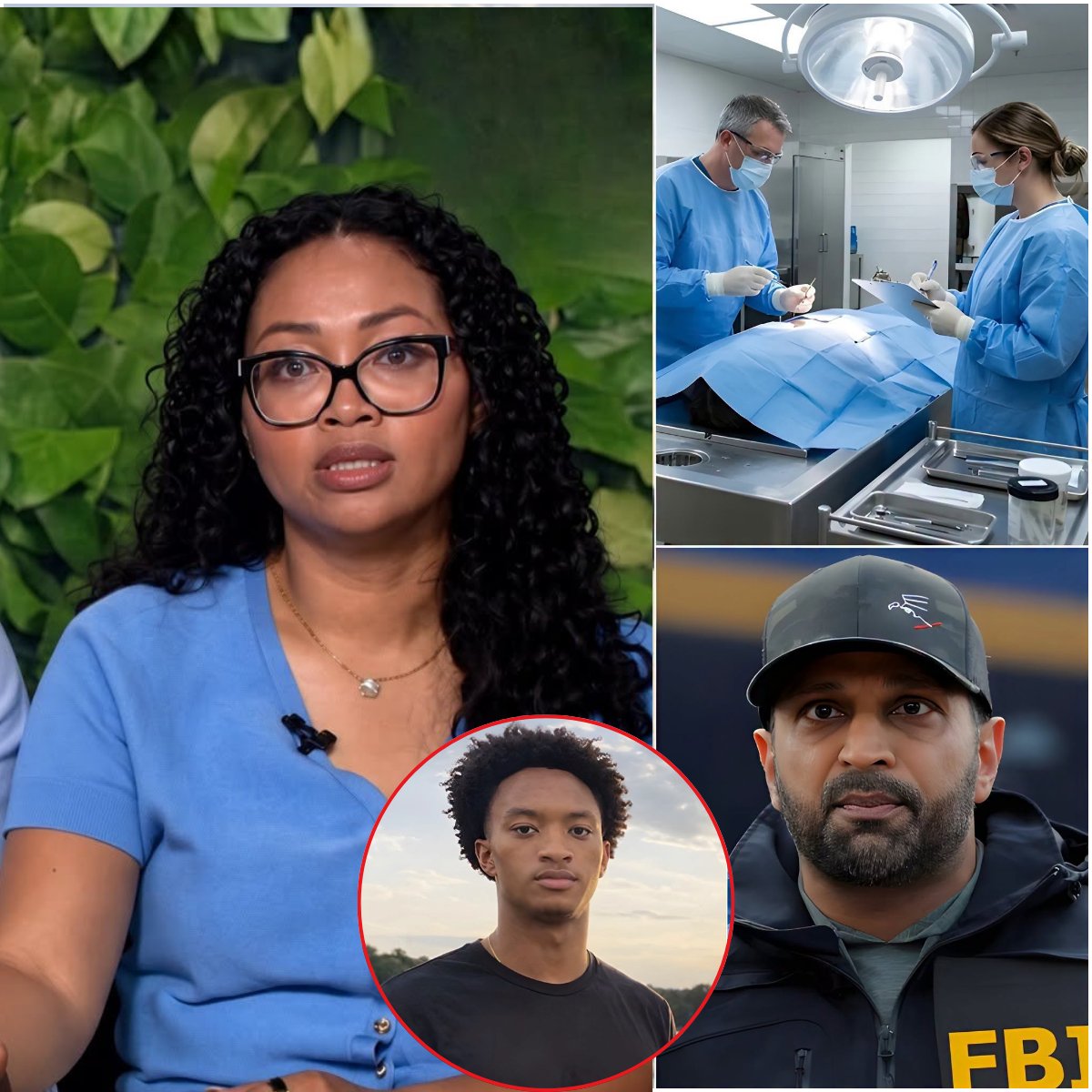
That is why the alleged autopsy images could become so important.
If they are genuine official records, investigators and forensic specialists would need to examine the complete documentation rather than relying on a headline or isolated number.
What substance was allegedly detected?
At what concentration?
Was it considered toxic or fatal?
Could it have resulted from contamination, medication, environmental exposure, or another source?
And most importantly, did the medical examiner determine that the substance actually caused or contributed to Nolan’s death?
Those questions are critical.
The claim has nevertheless reignited speculation because toxicology findings can potentially change the direction of a death investigation.
If a verified forensic examination established that a lethal substance contributed to Nolan’s death, investigators could be forced to examine a completely different set of circumstances.
Who had access to the substance?
How could Nolan have been exposed?
When did the exposure occur?
And was it accidental or intentional?
Those questions could become central to the investigation.
But none of them can be answered simply from the reported 3.07% figure.
The public has already seen numerous claims surrounding Nolan Wells, ranging from conflicting accounts to allegations about evidence and unanswered questions.
That makes verification more important than ever.
A dramatic toxicology claim can spread across social media within minutes.
A forensic conclusion requires considerably more.
It requires documentation.
Testing.
Context.
And expert interpretation.
For Nolan’s family, the possibility of a toxic substance being involved would be deeply disturbing.
After everything they have already endured, another possible explanation for Nolan’s death could reopen painful questions about what happened during his final hours.
But the truth cannot be established through speculation.
It must come from the official evidence.
If the reported FBI material is authentic, the complete autopsy and toxicology records could provide the answers.
They could establish whether a substance was actually present, whether the concentration was medically significant, and whether it played any role in Nolan’s death.
They could also potentially rule out the claim entirely.
That is why the alleged images matter.
Not because they automatically prove a poisoning theory.
But because authentic forensic documentation can be examined and tested against the rest of the evidence.
The biggest question now is whether the reported finding is real and, if so, what it actually means.
Was there truly a ᴅᴇᴀᴅly substance in Nolan’s body?
Was the reported concentration really 3.07%?
What substance was involved?
And did it cause his death?
Until those questions are answered through verified forensic evidence, the public should be cautious about treating the circulating claim as established fact.
The Nolan Wells investigation deserves answers.
And if an official toxicology finding exists, those answers may ultimately come from the medical evidence itself.
For now, the reported claim has opened another disturbing chapter in the case.
A number is circulating.
A toxicology finding is being alleged.
And once again, everyone is waiting for the complete evidence to reveal what really happened to Nolan Wells.